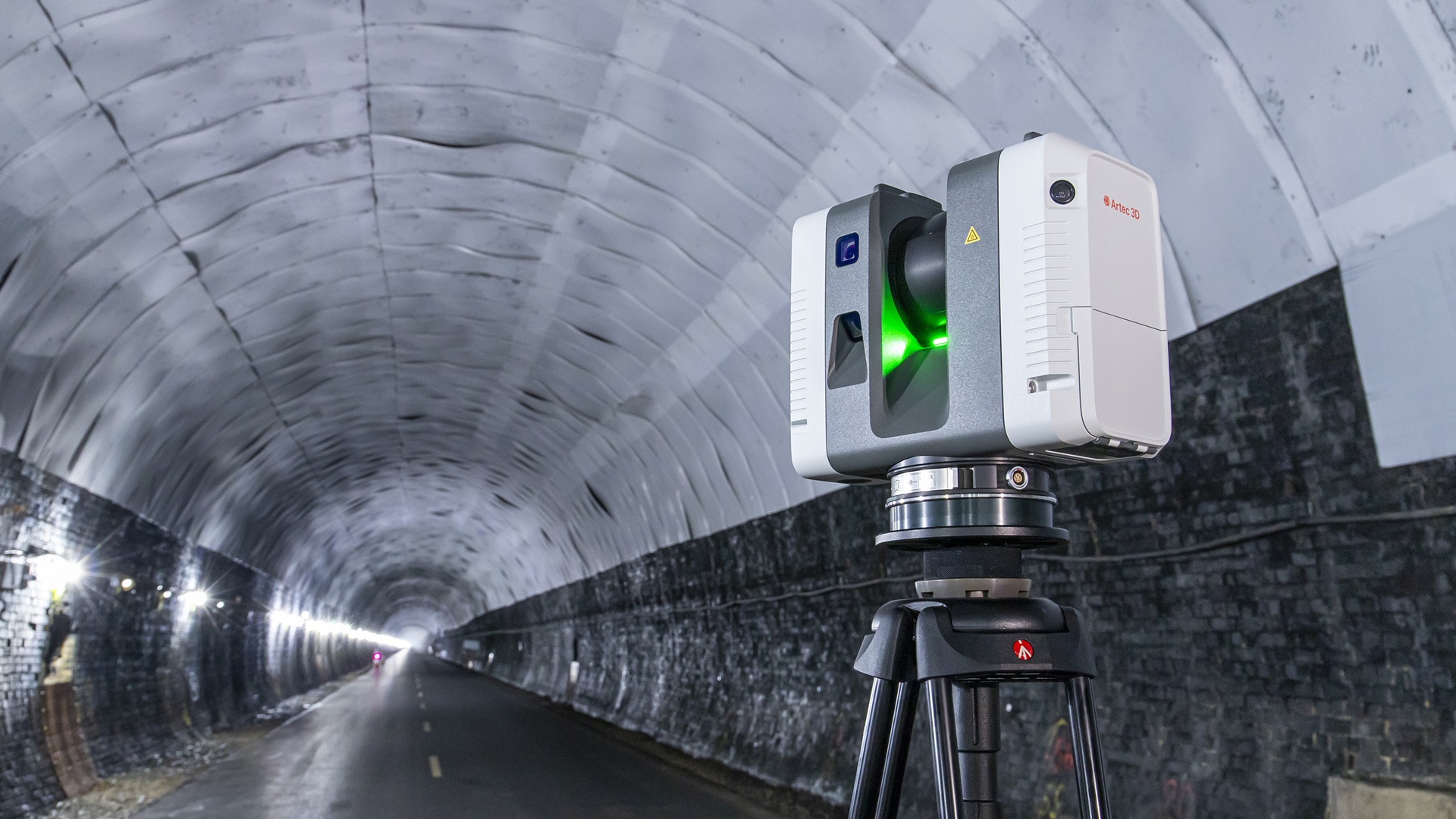
I’ve been working in reality capture and measured building documentation for more than ten years, and projects in West Tennessee have reinforced one lesson again and again: assumptions cost money. That’s why I usually bring up 3d laser scanning memphis tn early in a project discussion—because Memphis buildings, especially older ones, tend to hide their problems until someone measures them properly.
One of the first Memphis projects that stuck with me was a renovation inside an older commercial structure that had been repurposed several times. The drawings showed tidy geometry, but once we scanned the space, it became obvious the building had shifted and been modified in ways no one had fully documented. Columns were slightly out of position, and ceiling heights changed just enough to interfere with new ductwork. I remember reviewing the point cloud with the contractor and watching the argument disappear. The scan didn’t take sides—it just showed what was actually there.
In my experience, Memphis projects often look straightforward until you start laying things out. I worked on a warehouse conversion where the open floor plan gave everyone confidence. The scan revealed subtle slab variation across long distances. No single area raised alarms, but once equipment and partition layouts were overlaid, the conflicts were clear. Catching that early prevented weeks of field adjustments and saved several thousand dollars in corrective work.
I’ve also seen what happens when scanning is rushed or treated as a checkbox. On a fast-moving project, another provider tried to save time by spacing scan positions too far apart. The data looked fine at first glance, but gaps appeared around structural transitions once coordination began. We ended up rescanning parts of the building, which cost more than doing it right the first time. That experience made me firm about planning scans around how the data will actually be used later.
Another situation that stands out involved prefabricated components that didn’t fit as expected once they arrived on site. The initial reaction was to blame fabrication. The scan told a different story. The building itself had shifted slightly over time—nothing dramatic, just enough to matter. Having that baseline data redirected the conversation from blame to practical adjustment and kept the project moving.
The most common mistake I see is treating 3D laser scanning as a formality instead of a foundation. Teams sometimes request data without thinking through how designers, fabricators, or installers will rely on it. In Memphis, where many projects involve older structures with layered histories, that oversight tends to surface at the worst possible moment.
After years in the field, I trust 3D laser scanning in Memphis because it removes uncertainty early. When everyone is working from the same accurate picture of existing conditions, projects stay calmer, decisions come faster, and surprises lose their ability to derail progress.